The Interplanting Vegetables Chart That Will
The Interplanting Vegetables Chart That Will
Introduction
Interplanting is a gardening technique that involves planting different types of vegetables together. This can be done in rows, in blocks, or in a more random fashion. There are many benefits to interplanting, including:
- Disease and pest control: Companion plants can help to deter pests and diseases. For example, marigolds can help to repel nematodes, which can damage root crops.
- Attracting pollinators: Some companion plants attract pollinators, such as bees and butterflies. This can help to improve the pollination of your crops, which can lead to a higher yield.
- Improving soil health: Some companion plants can help to improve the soil health of your garden. For example, legumes fix nitrogen in the soil, which can benefit other plants.
- Optimizing space: Interplanting can help you to optimize the space in your garden. By planting different types of vegetables together, you can make the most of the available sunlight and water.
Main Content
There are many different ways to interplant vegetables. Here are a few examples:
- Planting tall plants with short plants: Tall plants, such as corn and sunflowers, can provide shade for shorter plants, such as lettuce and carrots. This can help to protect the shorter plants from the hot sun and wind.
- Planting plants with different rooting depths: Plants with different rooting depths can help to improve the drainage of your garden. For example, carrots have shallow roots, while tomatoes have deep roots. By planting these two plants together, you can help to prevent waterlogging.
- Planting plants with different nutrient needs: Some plants are heavy feeders, while others are light feeders. By planting these plants together, you can help to ensure that all of your plants are getting the nutrients they need.
Here is a chart of some of the best companion plants for vegetables:
| Vegetable | Companion Plants |
|---|---|
| Beans | Corn, peas, marigolds, nasturtiums |
| Beets | Carrots, lettuce, onions |
| Broccoli | Cabbage, cauliflower, kale, radishes |
| Carrots | Beans, lettuce, onions, parsley |
| Cucumbers | Beans, corn, melons, marigolds, nasturtiums |
| Eggplant | Basil, peppers, tomatoes |
| Lettuce | Beans, carrots, onions, peas |
| Melons | Cucumbers, corn, marigolds, nasturtiums |
| Onions | Beans, carrots, lettuce, tomatoes |
| Peas | Beans, corn, lettuce, mint |
| Peppers | Basil, eggplant, tomatoes |
| Potatoes | Beans, corn, tomatoes |
| Spinach | Beans, lettuce, onions, peas |
| Tomatoes | Basil, chives, mint, marigolds, nasturtiums |
Conclusion
Interplanting is a great way to improve the health and productivity of your garden. By planting different types of vegetables together, you can attract pollinators, deter pests, and improve the soil health of your garden. If you are new to interplanting, start by planting a few simple combinations. As you gain experience, you can experiment with more complex planting arrangements.
Are you looking for a way to improve your vegetable garden? If so, you should consider interplanting. Interplanting is the practice of planting different types of vegetables together. This can help to improve the health of your plants, attract beneficial insects, and deter pests.
If you're not sure where to start, I recommend checking out Gardenia Inspiration. This website has a great interplanting vegetables chart that can help you to choose the right plants for your garden. The chart shows which vegetables are compatible with each other, as well as which ones should be avoided.
In addition to the chart, the website also has a wealth of other information about interplanting. You can learn about the benefits of interplanting, how to choose the right plants, and how to plant them.
I highly recommend visiting Gardenia Inspiration if you're interested in learning more about interplanting. It's a great resource that can help you to create a healthy and productive vegetable garden.
FAQ of interplanting vegetables chart
Q: What is interplanting?
A: Interplanting is the practice of planting different types of vegetables together in the same bed. This can be done to improve the overall health and productivity of the garden, as well as to create a more visually appealing space.
Q: What are the benefits of interplanting vegetables?
A: There are many benefits to interplanting vegetables, including:
- Increased yields: Interplanting can help to increase yields by taking advantage of different plants' complementary growth habits. For example, tall plants can provide shade for shorter plants, which can help to protect them from the sun and pests.
- Improved soil health: Interplanting can help to improve soil health by providing a diversity of root systems that can break up compacted soil and help to improve drainage.
- Reduced pest and disease pressure: Interplanting can help to reduce pest and disease pressure by providing a physical barrier between susceptible plants and pests. For example, planting aromatic herbs between vegetables can help to deter pests.
- Increased biodiversity: Interplanting can help to increase biodiversity in the garden by providing a habitat for beneficial insects and pollinators.
Q: What are some tips for interplanting vegetables?
A: Here are some tips for interplanting vegetables:
- Choose compatible plants: Not all vegetables are compatible with each other. Some plants may compete for resources, such as water or sunlight, while others may be susceptible to the same pests or diseases. Do some research to find out which vegetables are compatible with each other.
- Consider the plants' growth habits: When choosing vegetables to interplant, consider their growth habits. Tall plants should be planted behind shorter plants, and spreading plants should be planted around more compact plants.
- Plant at the right time: Interplanting should be done at the right time of year. Some vegetables, such as carrots and beets, should be planted early in the season, while others, such as tomatoes and peppers, should be planted later in the season.
- Thin plants as needed: As the plants grow, you may need to thin them to give each plant enough space to grow. This will help to prevent the plants from competing for resources and will also help to improve air circulation, which can help to reduce the risk of pests and diseases.
Q: Where can I find a chart of interplanting vegetables?
A: There are many charts available online that show which vegetables are compatible with each other. You can also find charts that show the different growth habits of vegetables, which can help you to choose the right plants to interplant.
Image of interplanting vegetables chart
- Image 1: This chart shows a variety of vegetables that can be interplanted together. The vegetables are organized by height, so you can see which ones will grow well together.
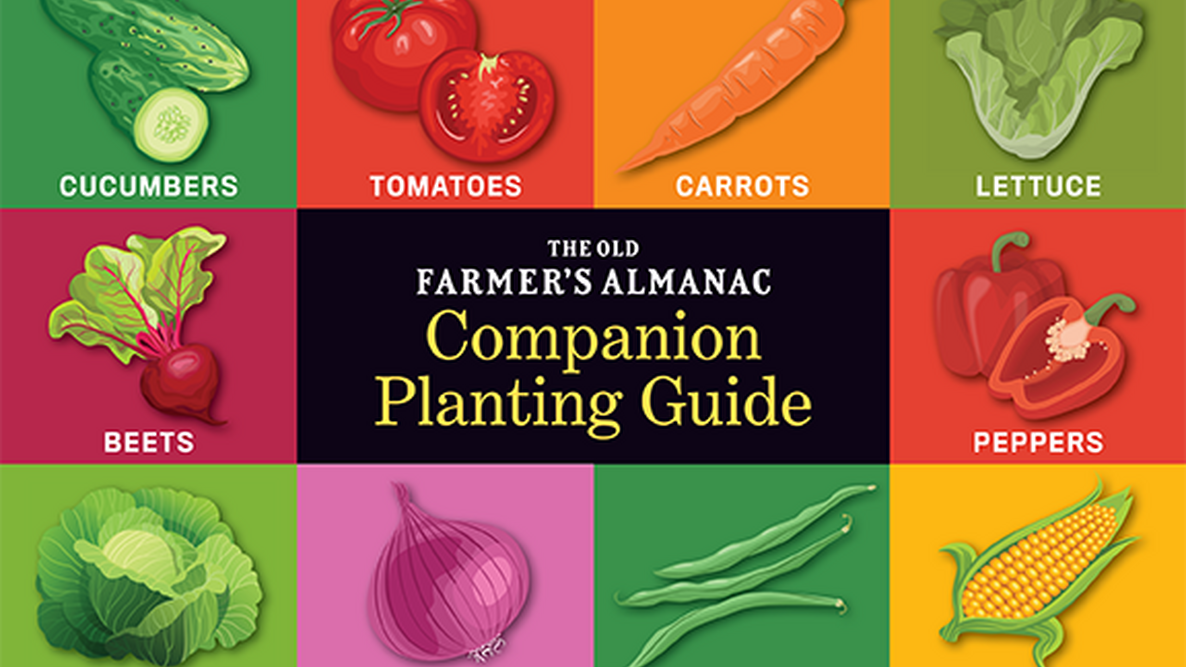
- Image 2: This chart shows which vegetables attract beneficial insects, which ones repel pests, and which ones are companion plants. This can help you create a more balanced and productive garden.
- Image 3: This chart shows a seasonal guide to interplanting vegetables. This can help you plan your garden so that you have a continuous supply of fresh produce throughout the year.

- Image 4: This chart shows a specific example of how to interplant vegetables in a 4x4 foot bed. This is a great way to see how the different vegetables can be arranged to maximize space and productivity.
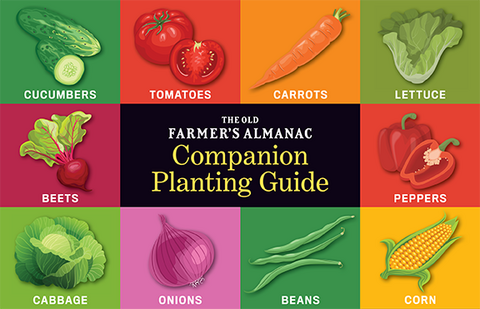
- Image 5: This chart shows a list of vegetables that can be grown together in a container garden. This is a great option if you have limited space or if you want to be able to move your garden around.


Post a Comment for "The Interplanting Vegetables Chart That Will"